
Going to Therapy is not the same as doing Therapy
There’s a moment many clients have in therapy (sometimes early on, sometimes much later) when they realise that showing up to the room is only one part of the work. It’s an important part, yes. But doing therapy asks something a little deeper, a little braver, and often a little slower than we expect.

Finding your tribe: the power of belonging
Have you ever felt surrounded by people, yet somehow still unseen? Like you’re speaking a language others don’t quite understand?
That quiet ache for connection is something many of us know well. It’s part of being human to want to feel known, accepted, and valued for who we truly are.
In therapy, I often hear people say things like “I don’t fit in” or “I can’t seem to find my people.” Beneath those words is a deep longing for belonging and connection. A desire to find a community where we can show up as ourselves without fear of judgment or rejection
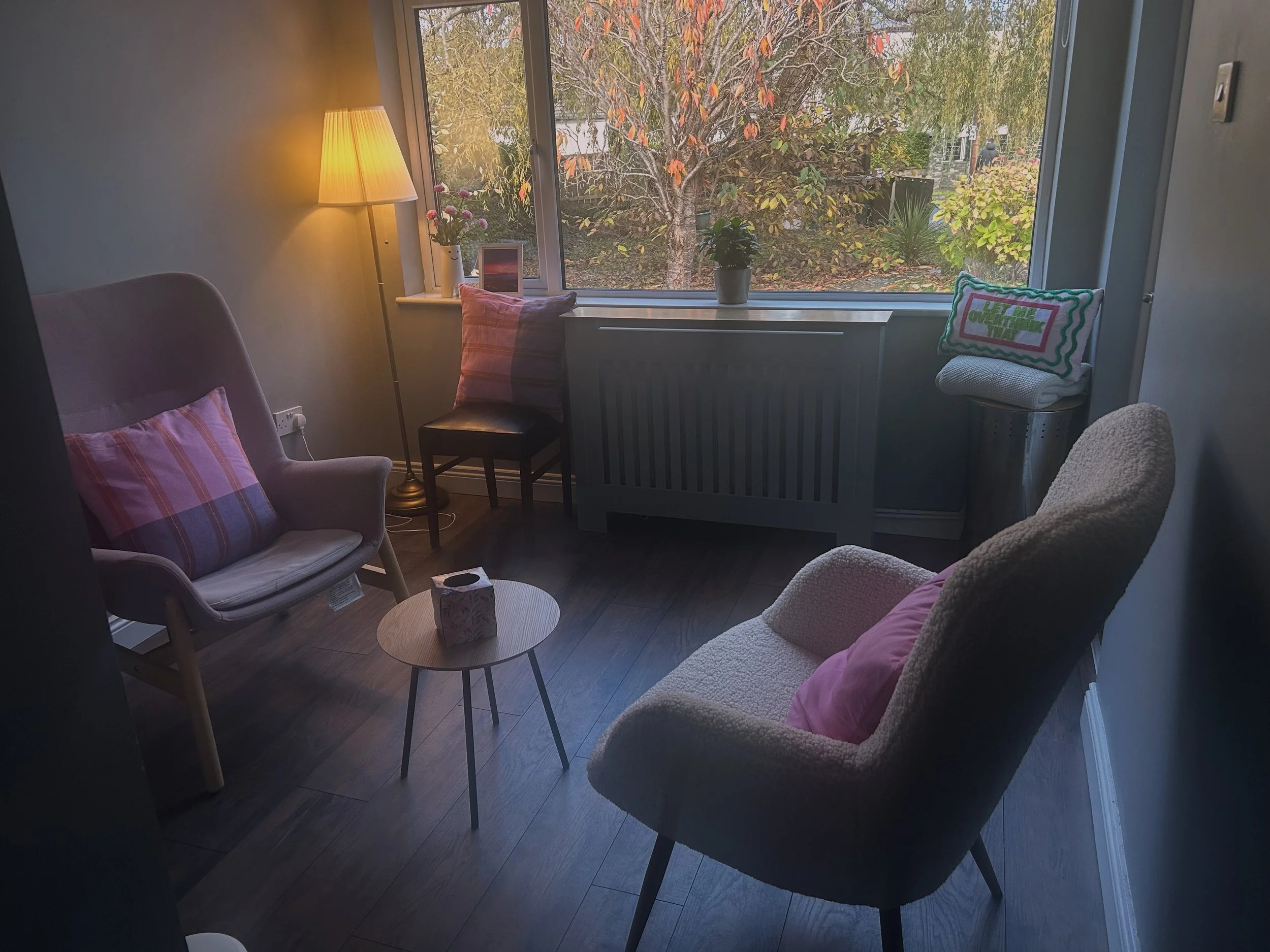
What happens in your first Therapy session?
For many people, taking that first step towards therapy can feel both brave and uncertain. You might wonder what to expect, what to say, or whether you’ll “do it right.” These worries are completely normal; most people feel a little nervous before their first session.
The truth is, your first therapy session isn’t about having all the answers. It’s about beginning a conversation.

What it means to be a pluralistic Psychotherapist
When people first come to therapy, they often ask, “What kind of therapy do you do?” It’s a fair question given the many different therapeutic modalities and approaches.
As a pluralistic psychotherapist, I don’t follow just one approach. Instead, I draw from a range of evidence-based therapies to find what best supports you. Everyone is different and what helps one person might not help another, so I tailor the way we work to suit your individual needs, preferences, and goals.